
- Environment and responsibility inventory
- Intake, monitoring, triage, and escalation design
- Vendor and stakeholder coordination
- Reporting, review cadence, and handback criteria
Operate
Managed Services & Support
Connect monitoring, Tier 1 and Tier 2 support, operational planning, cloud infrastructure, and staffing to a direct path from alert to action.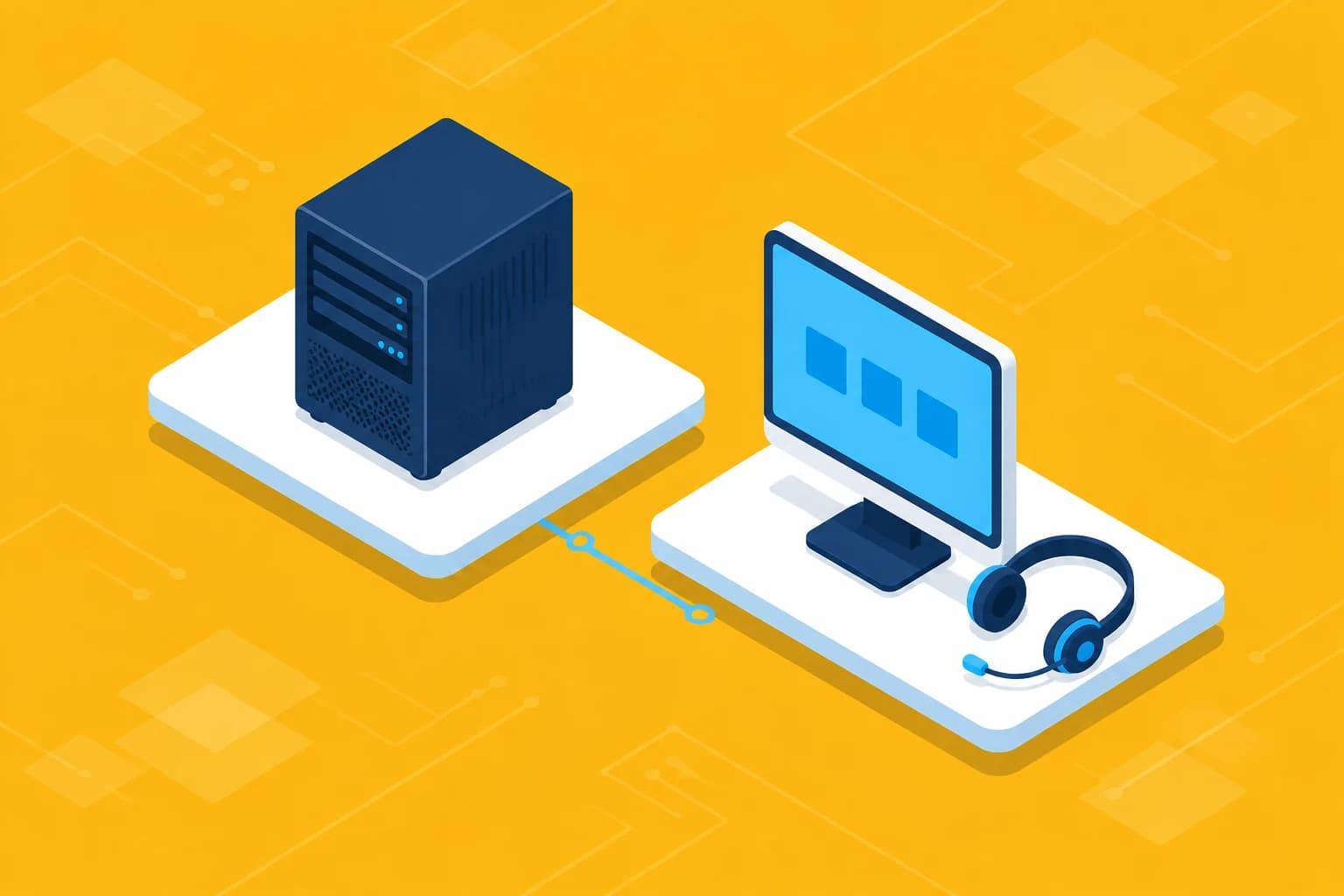
Monitoring & support
Turn an alert into an accountable response.
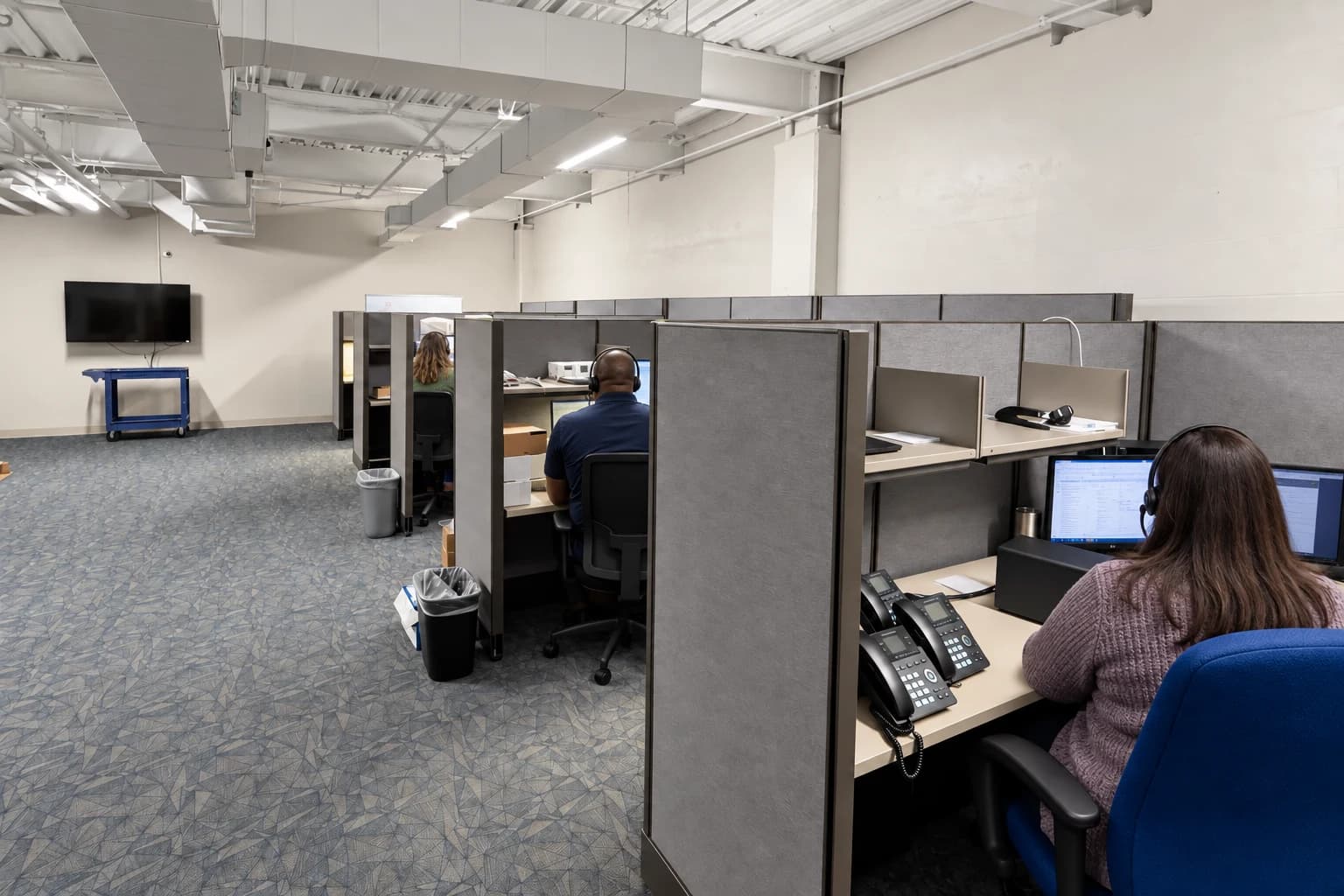
Useful support gives an issue somewhere to go, someone to own it, and a record of what happened. Build the service around your environment and the people already responsible for it.
- 01
Notice
A person reports an issue or a monitored system raises a signal. Capture what changed and who is affected.
- 02
Understand
Check the impact, review the available evidence, and identify the system or team best placed to act.
- 03
Coordinate
Assign an owner, involve the right vendor or specialist, and keep the customer informed as work progresses.
- 04
Follow through
Confirm the outcome, record the resolution, and flag recurring issues for the next service review.
Before support begins
Agree on the working relationship.
Define the supported systems, service hours, access, and escalation responsibilities together.
Infrastructure in focus
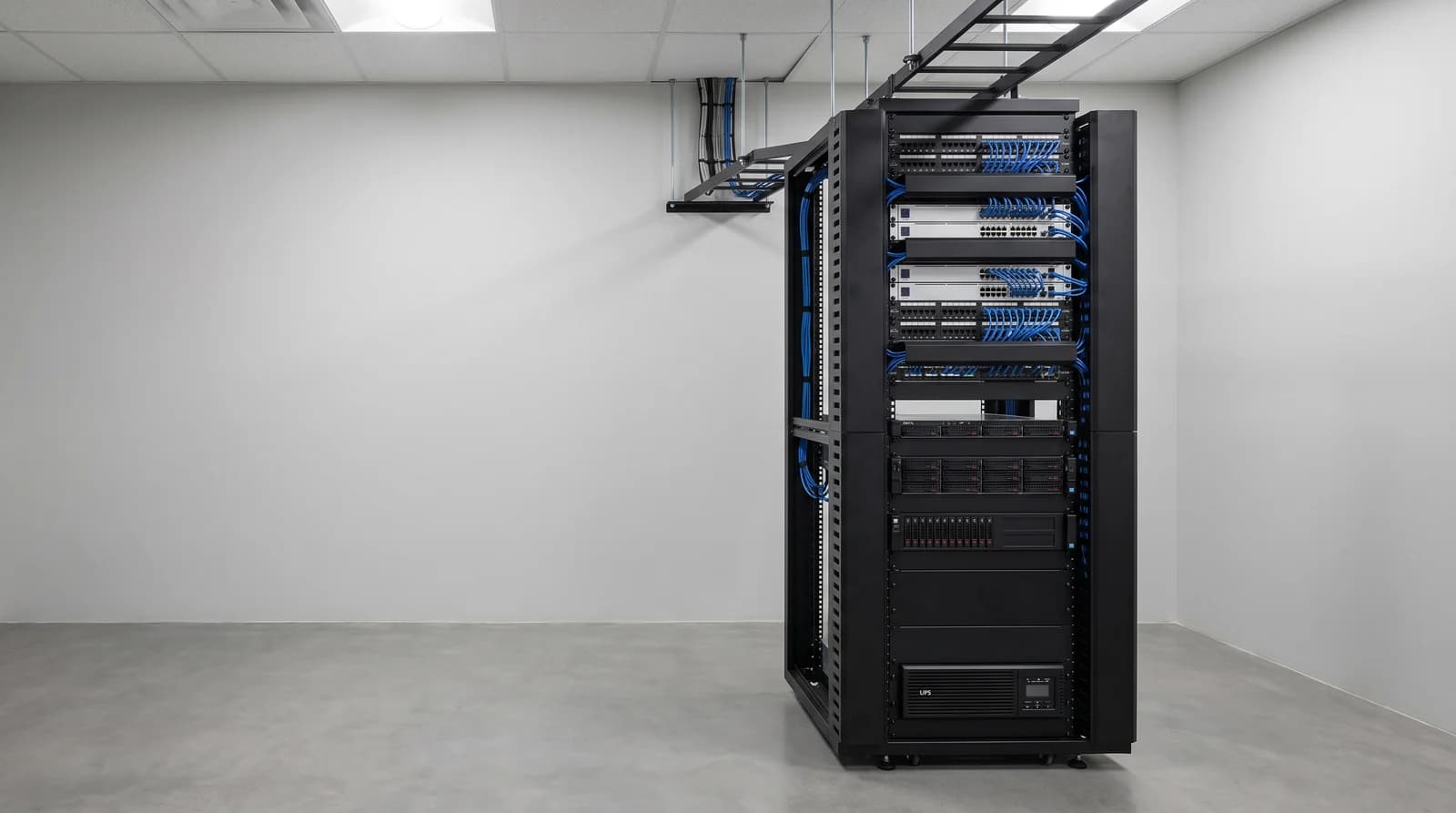
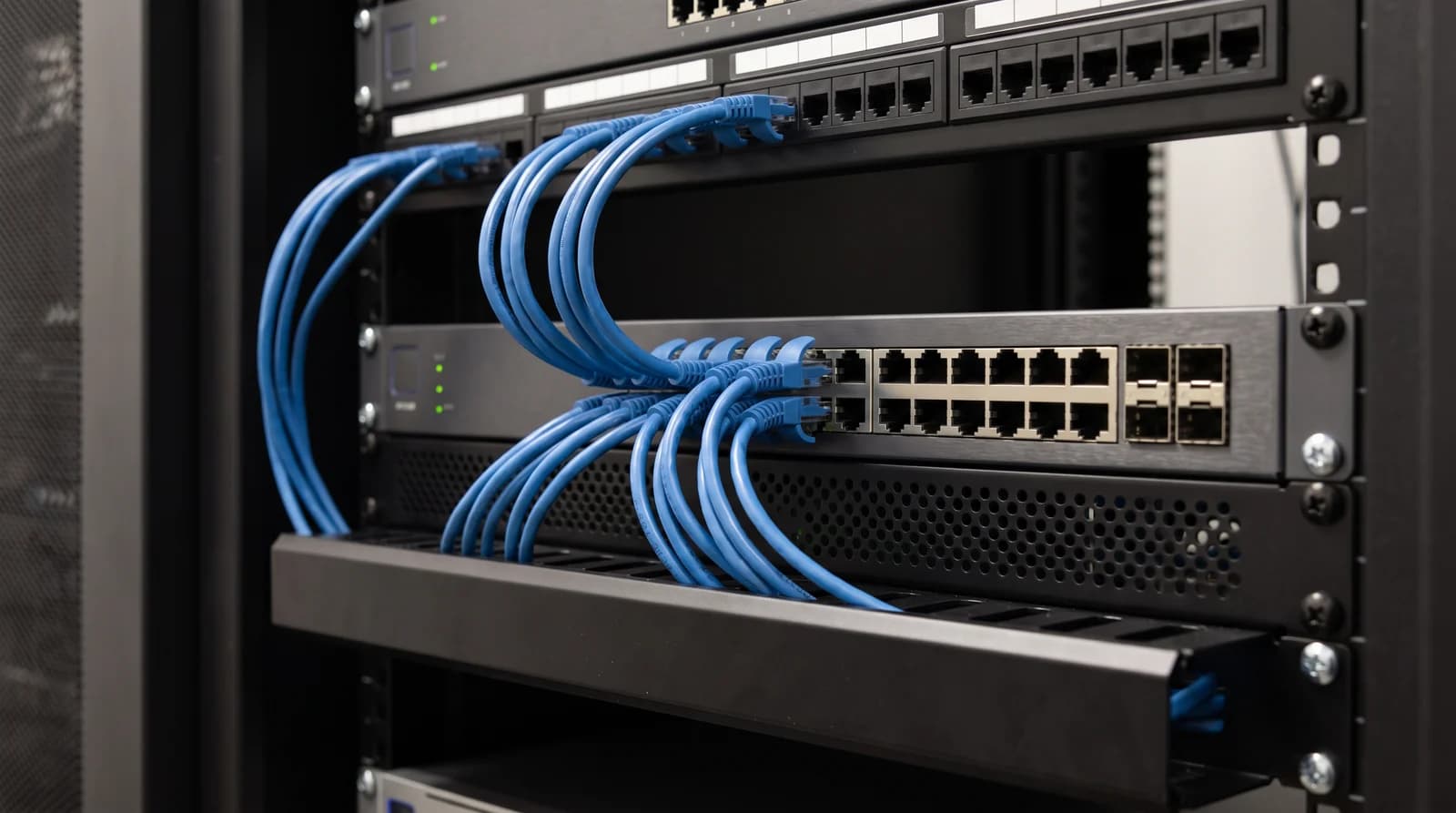
Support for the infrastructure behind your business.
Well-organized equipment and connections give ongoing network operations a practical foundation.
Build the right scope
Agree on the work and the people behind it.
Support programs fail when the monitored scope, hours, alert ownership, response path, authority, communications, records, and exit conditions are vague.
- Supported assets and locations
- Coverage hours and response expectations
- Administrative authority and security access
- Projects, changes, parts, licenses, and third-party work
Before we begin
Make the first conversation useful.
- Accurate asset and contact records
- Secure access and authority model
- Vendor contracts and escalation paths
- Incident, request, change, and reporting expectations
Is every managed-service scope the same?
No. Supported assets, coverage hours, locations, access, tools, and escalation are defined for your environment in the service agreement.
Can the program support an internal IT team?
Yes. The scope can add focused operational capacity while keeping internal ownership and decision rights clear.
What must be ready before transition?
Confirm contacts, inventory, access, tools, runbooks, vendors, open issues, reporting, and the exact point at which support responsibility begins.
Start a conversation
Talk with our team →