
- Current-state and call-flow discovery
- Carrier, number, network, and device coordination
- Configuration, migration, testing, and cutover planning
- User readiness, documentation, and support handoff
Communications
Voice Solutions
Unify cloud PBX, VoIP, routing, call queues, conferencing, mobile access, messaging, and recording around the way teams work.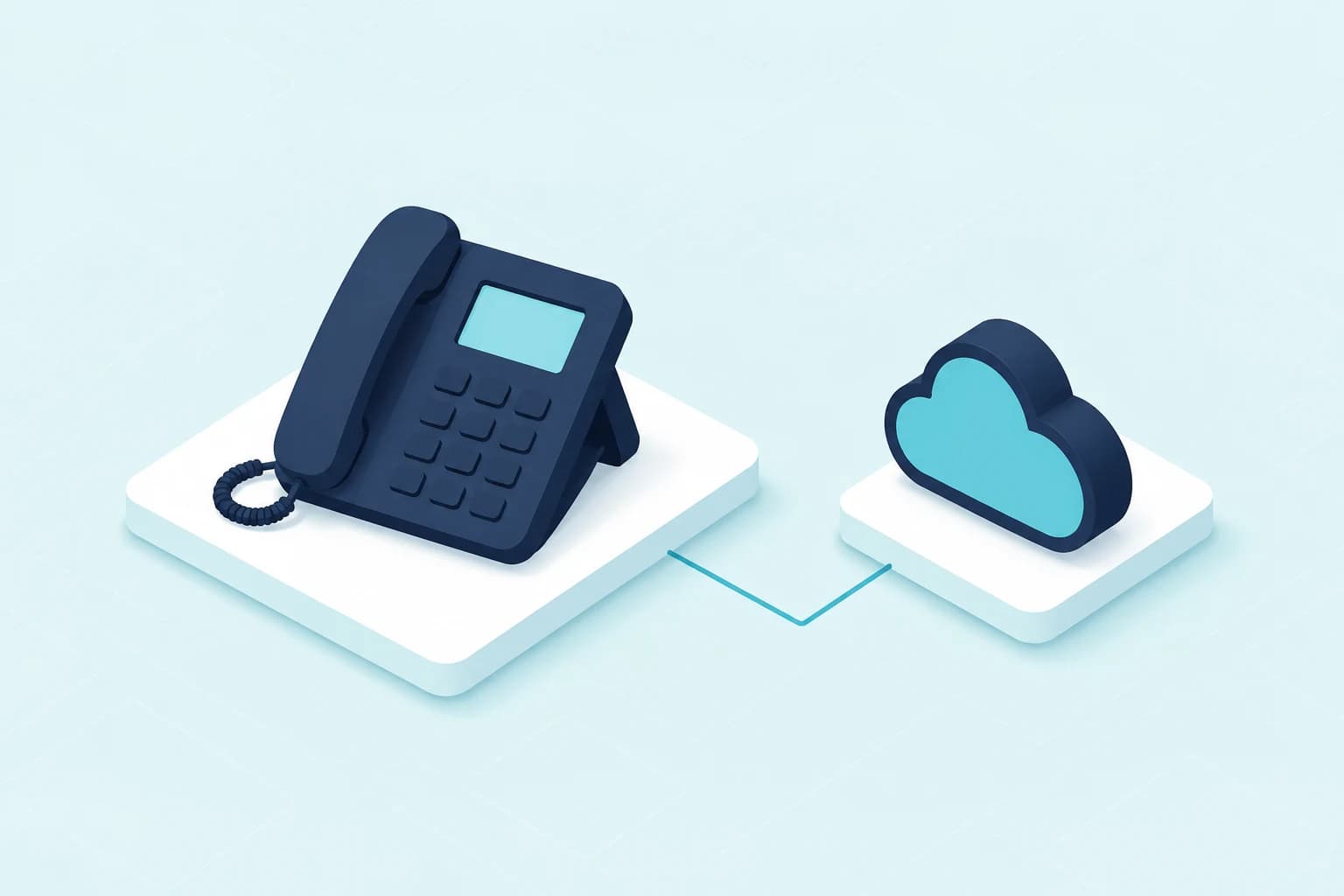
Design the caller experience
Make every call easier to connect.
Start with what a caller needs and where your people work. Then bring numbers, menus, queues, devices, and business hours into a call flow everyone can understand.
Someone calls
Where should the call go?
Illustrative call flowDuring business hours
Reception or call queueThe right person or team
Choose ring groups, waiting messages, and an overflow destination.
Outside business hours
After-hours greetingVoicemail or an on-call route
Set a clear next step for callers and a clear follow-up owner.
Keep the experience connected.
- Across devices
- Desk phones, softphones, and mobile access that fit each role.
- Across locations
- Consistent extensions and routing for teams working in different places.
- Through the transition
- Number porting, user guidance, and call testing planned before cutover.
Infrastructure in focus
Connect everyday business calls.
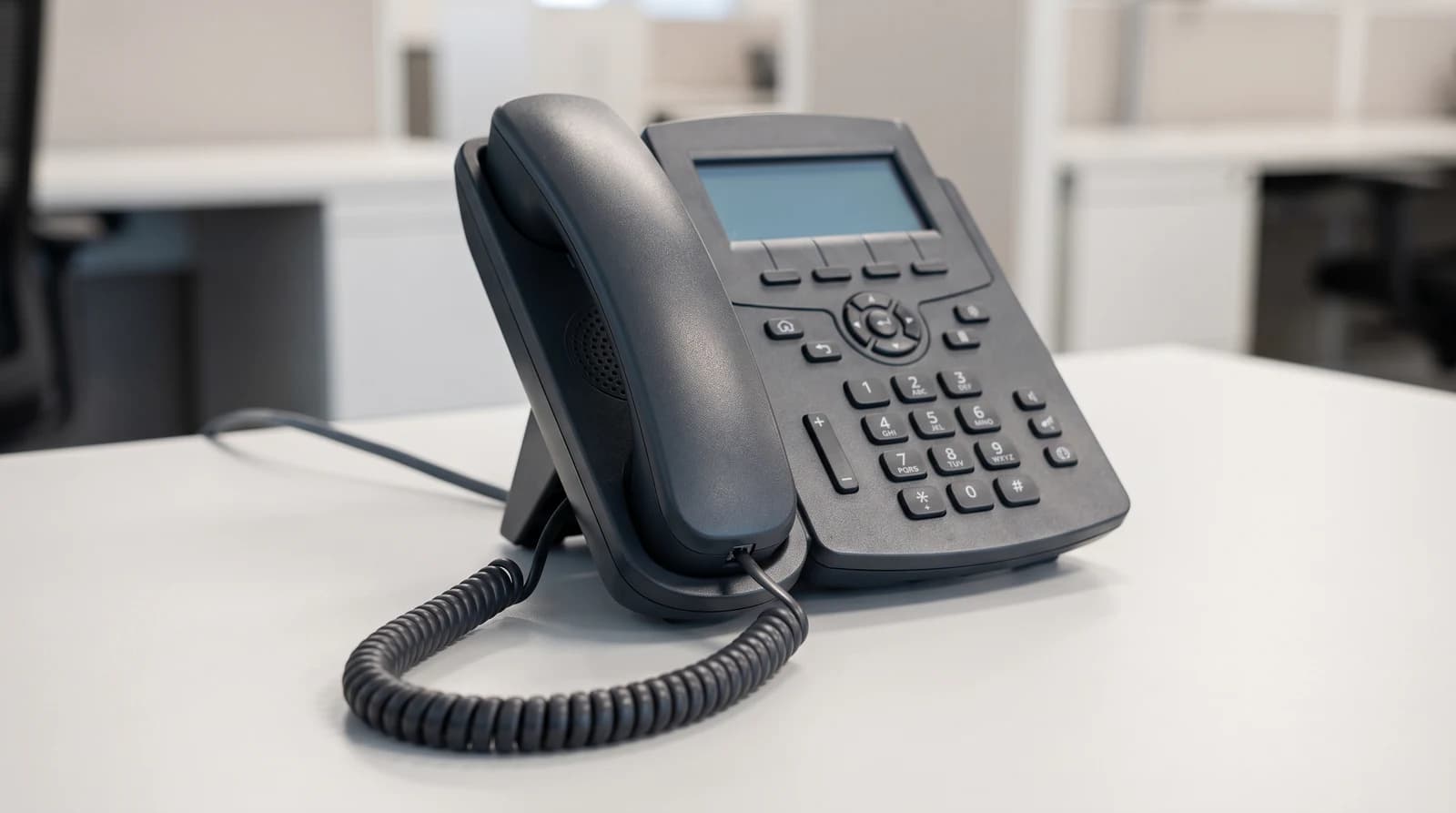
Desk phones are one part of a voice environment that also connects routing, shared lines, and mobile access.
Build the right scope
Agree on the work and the people behind it.
Voice transitions touch carriers, numbers, networks, devices, users, call flows, emergency calling, training, change windows, and support at the same time.
- Carrier contracts and porting authority
- Emergency-calling and location records
- Network readiness and quality ownership
- Licensing, devices, integrations, and ongoing administration
Before we begin
Make the first conversation useful.
- Accurate number and carrier records
- LAN, WAN, security, power, and quality readiness
- Emergency location and regulatory inputs
- Identity, directory, CRM, and collaboration integrations
Can a voice project be phased by location or team?
Yes, when dependencies, coexistence, number porting, user communication, testing, and rollback decisions are planned for each phase.
What makes a cutover ready?
Readiness includes configuration, carrier timing, network conditions, devices, emergency records, user communication, test scripts, escalation, and rollback ownership.
Does the project include training?
Training should be scoped by audience, workflow, format, timing, materials, follow-up, and who owns administration after go-live.
Start a conversation
Talk with our team →