Power & equipment
The question to resolveDo the equipment requirements match the available electrical infrastructure?
What to bringEquipment schedules, load information, and power connection requirements.

Power the connected environment
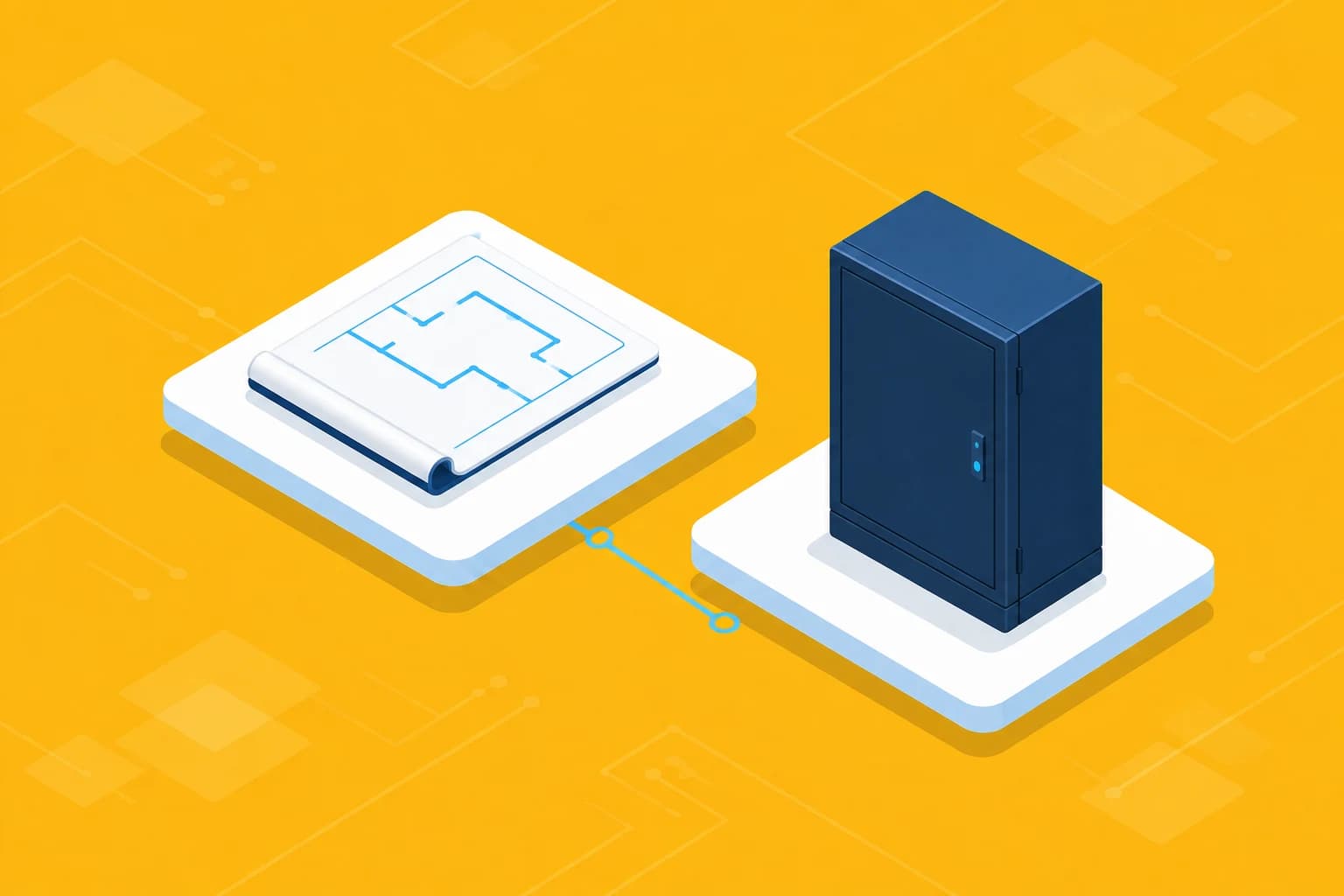
Coordinate the connections
Equipment, pathways, and field sequencing need to agree before installation begins. Use the early scope review to make those connections clear across the project team.
The question to resolveDo the equipment requirements match the available electrical infrastructure?
What to bringEquipment schedules, load information, and power connection requirements.
The question to resolveCan the equipment and its connections be installed, accessed, and maintained?
What to bringRoom layouts, cable routes, mounting details, and access clearances.
The question to resolveWho owns each connection, and what needs to happen before the next team starts?
What to bringA responsibility list, installation sequence, access plan, and target dates.
The question to resolveWhat will show that the installed scope is ready for the owner?
What to bringInspection requirements, agreed test records, closeout documents, and training needs.
One coordinated conversation. Progressive Communications and ANS Electric can help establish the right starting point for a combined technology and electrical scope. Engineering, contracting, and approval responsibilities are defined for each project.
Build the right scope
Electrical scope drifts when loads, pathways, rooms, equipment, trades, design decisions, field conditions, testing, and turnover are not resolved as one delivery path.
Before we begin
Use ANS Electric when electrical contracting or a combined electrical and technology scope is primary. Use Progressive Communications when the communications platform is primary and electrical work supports that program.
No such transfer should be assumed. The commercial scope must name design authority, review responsibility, deliverables, approvals, and sealed-document ownership.
Bring plans, specifications, loads, equipment, schedule, phasing, site constraints, responsibilities, test expectations, and known decisions or gaps.

